Biowaste – Turning low-value biomass into a strategic resource
Almost any type of biomass can be processed through pyrolysis. Satoumi systems are specifically designed for feedstocks that currently have little or no economic value — or even represent a disposal cost. Instead of paying for waste handling, companies can convert biomass into valuable outputs such as biochar, energy carriers, and carbon removal credits.
Relevant biomass streams
Economically relevant biomass sources include:
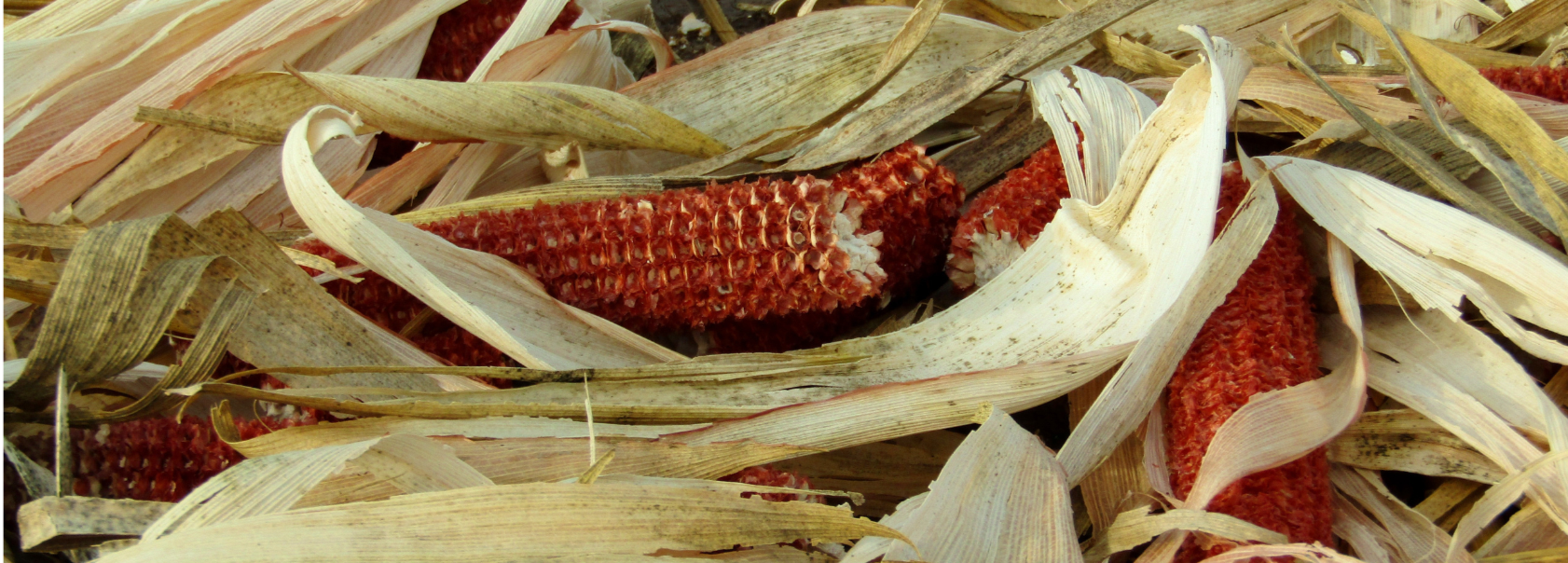
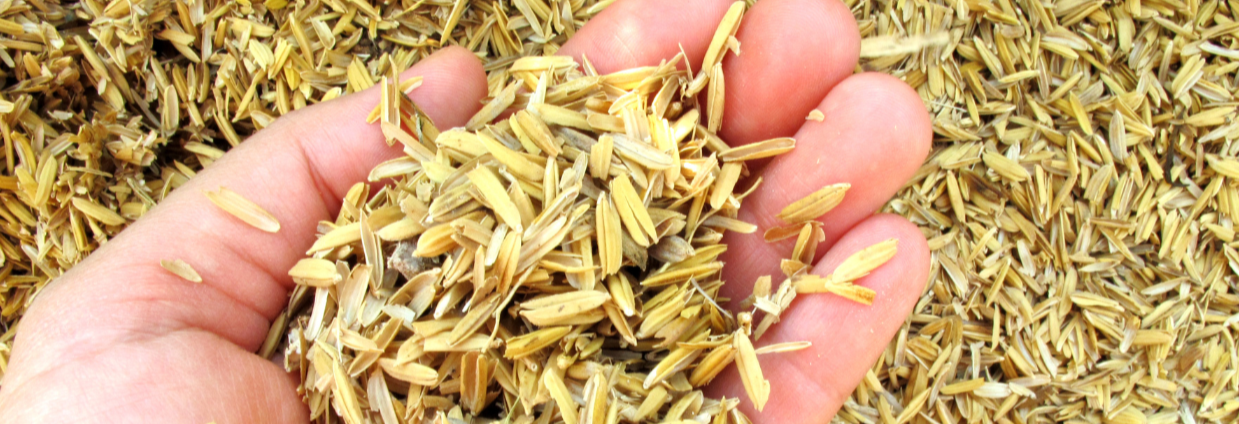
agricultural residues (straw, corn stover, rice husks)
forestry residues (wood chips, branches, deadwood)
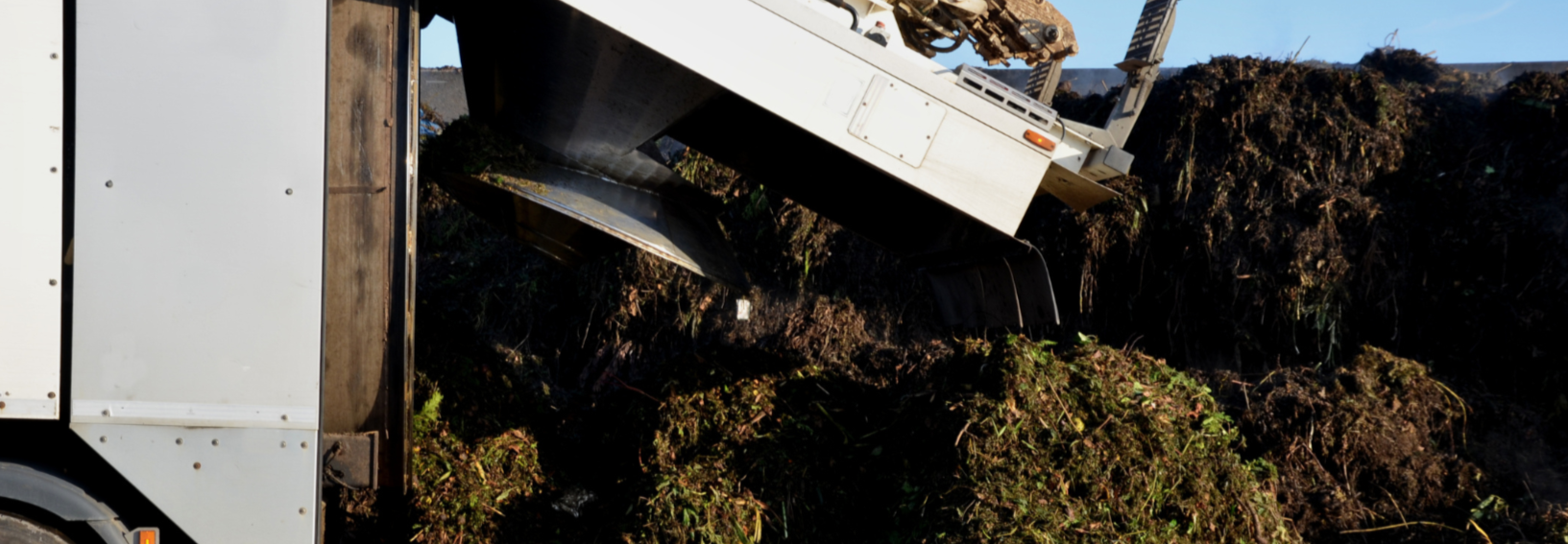
green waste (grass clippings, pruning waste)
food waste and organic residues
animal manure and slurry solids
digestate from biogas plants
sewage sludge (subject to regulations)
macroalgae (seaweed)
invasive plant species
These feedstocks are often abundant, underutilized, and geographically dispersed — making centralized processing inefficient.
Industry context – A global resource with limited utilization
Globally, biomass is one of the largest underutilized resource streams:
agricultural residues exceed 5 billion tons annually
organic waste accounts for over 40% of municipal waste streams
large portions are currently unmanaged or inefficiently treated
Typical disposal pathways:
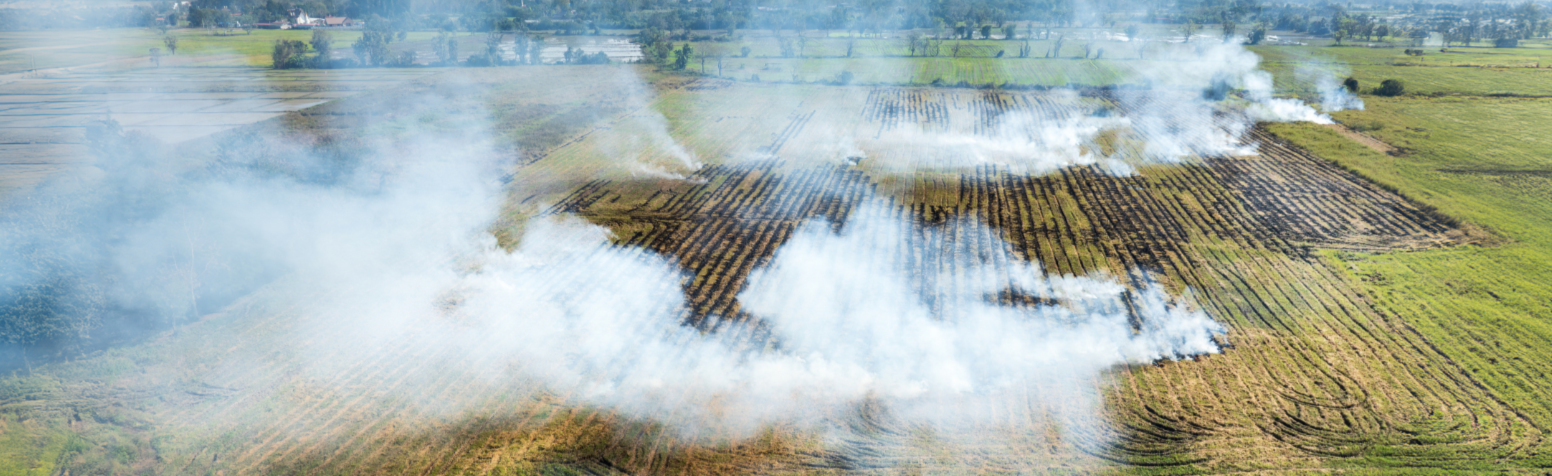
open burning → air pollution and CO₂ emissions
landfilling → methane emissions and regulatory pressure
composting → limited carbon retention and slow processing
biogas → useful but limited in carbon sequestration
Despite its scale, biomass is still widely treated as a waste management problem rather than a resource stream.
Operational challenges in current systems
Organizations handling biomass typically face:
high transportation costs due to low energy density
seasonal accumulation and storage challenges
regulatory pressure on emissions and disposal
limited economic incentives for proper treatment
fragmented supply chains
These factors make it difficult to build
economically viable large-scale systems.
The Satoumi approach – Decentralized value creation.
Satoumi systems are designed to address these constraints directly:
decentralized deployment directly at the source of biomass
reduction or elimination of transport and handling costs
continuous processing instead of seasonal accumulation
flexible integration into existing operations
modular scalability without large infrastructure investments
This enables a shift from:
Centralized waste logistics → local value creation
From cost center to revenue stream
By processing biomass through pyrolysis,
multiple value streams can be generated simultaneously:
biochar (carbon storage + soil applications)
pyrolysis oil (energy and fuel applications)
process heat (local energy use)
potential hydrogen recovery
carbon credits (depending on certification and project structure)
This creates a system where:
Waste is no longer a liability, but a multi-output production input
Strategic relevance for operators
For operators in agriculture, waste management, forestry, and industry, this enables:
diversification of revenue streams
reduced dependency on external disposal systems
improved compliance with environmental regulations
participation in emerging carbon markets
long-term resource security
At the same time, it allows organizations to build internal capabilities rather than relying solely on external infrastructure.
Why this matters now
The economic and regulatory landscape is shifting:
increasing costs for waste disposal
growing incentives for carbon removal
rising demand for sustainable materials and fuels
pressure to decarbonize operations
Biomass is becoming a key resource in this transition.
A practical pathway forward
Satoumi systems do not require a complete restructuring of existing operations.
Instead, they can be integrated step by step:
starting with pilot-scale deployment
adapting to specific feedstock conditions
scaling based on local demand and infrastructure
This makes them suitable for both:
early-stage exploration
long-term industrial integration
Interested in becoming an early partner?
Satoumi is currently seeking pilot partners to realize the first projects and move the technology into real-world deployment. At this stage, we are primarily looking for organizations capable of participating in early implementation, prototyping, manufacturing, or operational pilot projects.
If your organization is interested — even if the timing is not yet ideal — we encourage you to contact us.
We are happy to:
provide additional technical information
discuss potential collaboration models
evaluate whether a partnership is a good fit
place interested organizations on our early partner and deployment waitlist
We are also working toward making complete reactor systems available in the future through manufacturing and deployment partners.
If you are interested in:
future reactor purchases
licensing opportunities
pilot deployments
or future rental/leasing models
we would be glad to stay in contact and reach out once the appropriate deployment stage is reached.
Request a spot on our licensing interest list: